 New Ability Energy
What interval data actually tells you
Roof area tells you how many panels fit. Interval data tells you which of them will ever pay for themselves.
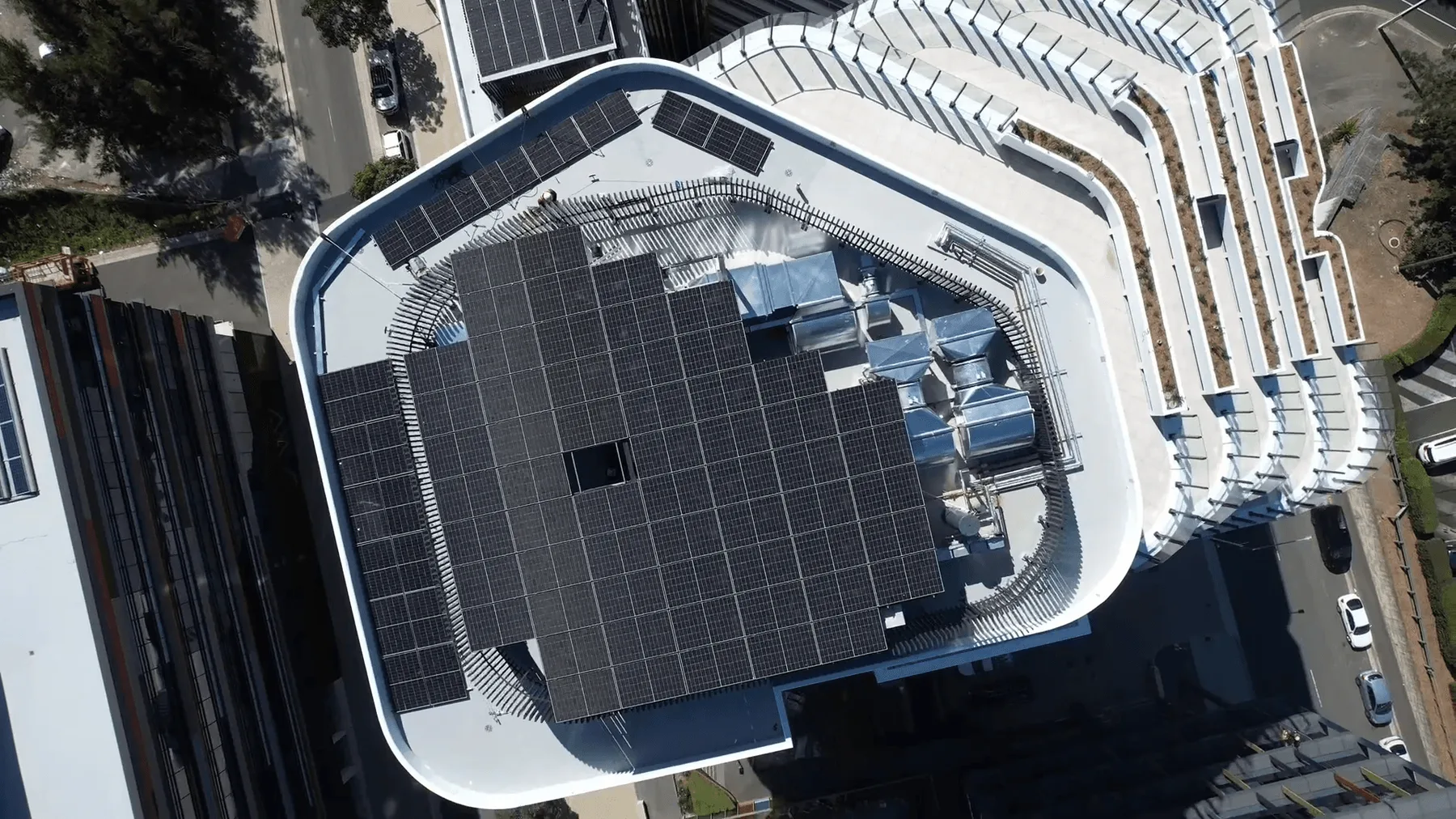
Most commercial solar proposals start with a roof. Someone measures the available area, divides it by a panel, and the number that falls out becomes the system size. It is quick, it is easy to quote against, and it answers a question nobody asked.
The question that matters is what the site actually uses, and when. That is what interval data is: a reading of your consumption at fixed intervals through the day, held by your retailer, available to you on request. It is the difference between a system sized to a building and a system sized to a business.
Two sites with identical roofs can want completely different systems. A site that draws hard from 6am and tails off at 3pm wants generation weighted east. A site that peaks mid-afternoon in summer wants a different array again, and possibly storage. Neither of those shapes is visible from a roof.
It also decides what not to build. Where a battery does not earn its keep against the load shape and the tariff, the proposal should say so rather than quietly include one. That call cannot be made without the data.
This is why a site visit and your interval data come before any number does. We request the data from your retailer with your permission, model the load against your tariff, check network export limits and switchboard capacity, and write the assumptions up alongside the proposal so you can check the working.
A site visit and your interval data come before any number does. Request a quote.