 New Ability Energy
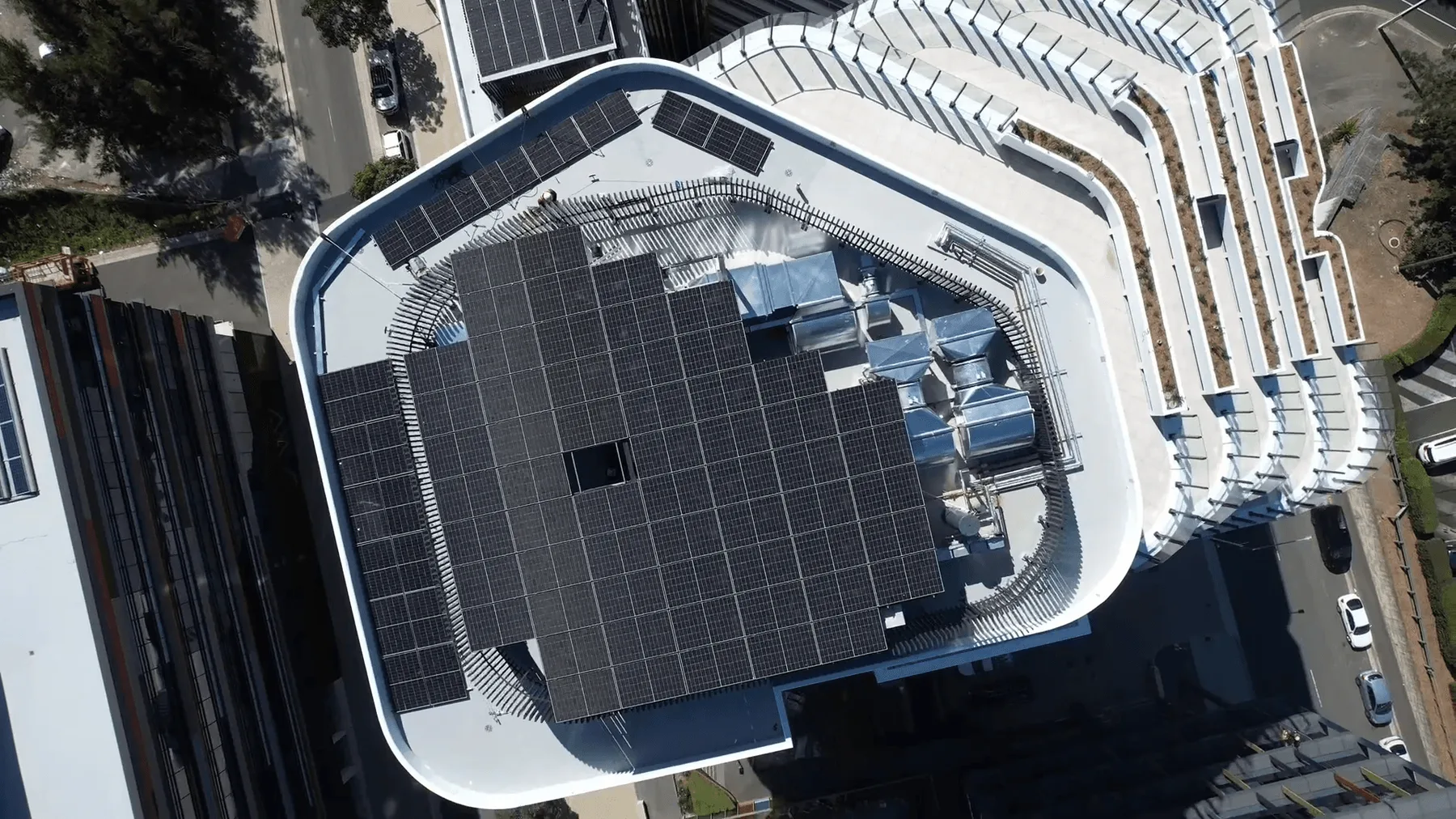
Sizing solar and storage together
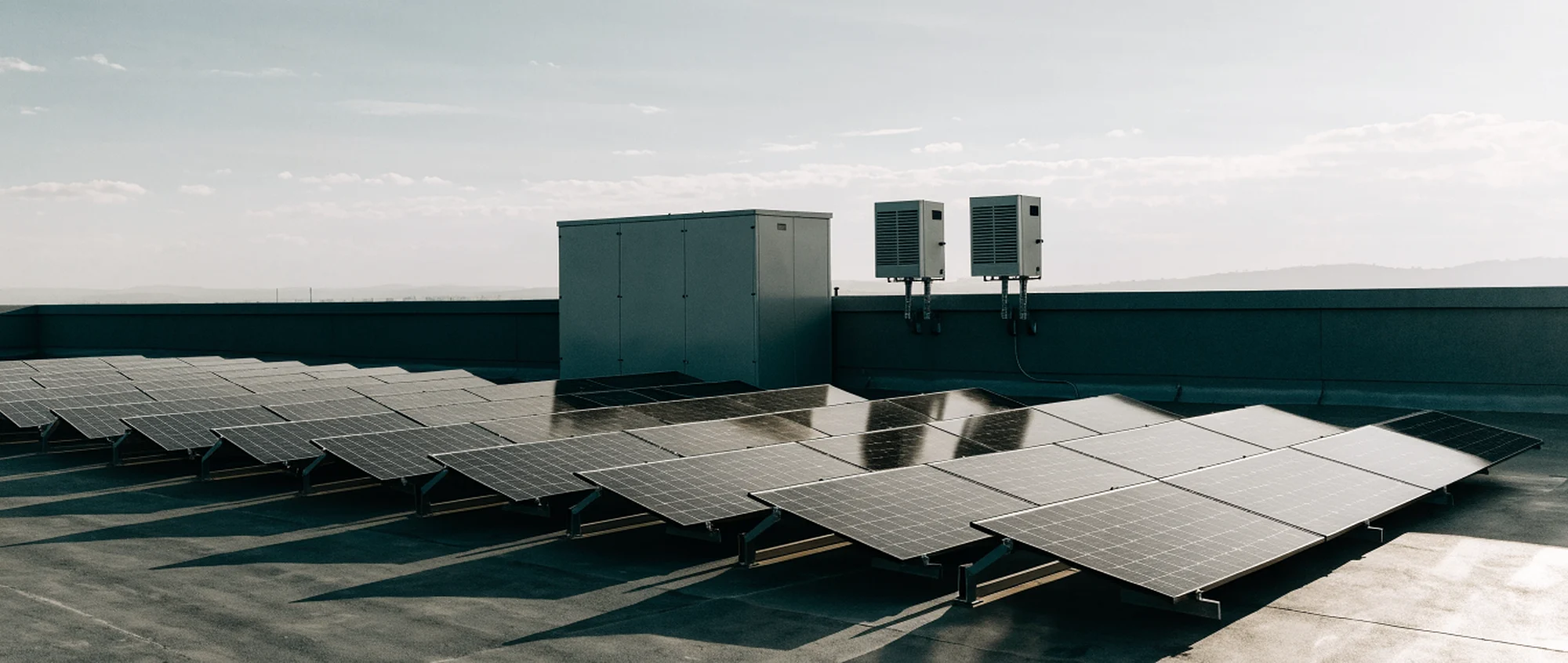
One reform cuts the cost of the array. The other pays for the battery that array has to feed. They commence a month apart, and almost nobody is reading them together.
Two changes, two schemes
From 1 September 2026, NSW supports commercial battery storage through the Peak Demand Reduction Scheme1. Two of the three activities require solar on site, at a fixed ratio to the battery 2.
From 1 October 2026, subject to the regulations, the federal small-scale scheme3 covers solar up to 1 MW, applying its support upfront rather than through large-scale accreditation.
Different levels of government. Different mechanisms. No coordination between them. Put them side by side anyway, and the second change pays for the condition attached to the first.
Why that matters
A site that wanted storage was, until September, looking at a battery business case on its own.
It is now looking at a battery incentive that requires an array, and at an array that is materially better supported than it was a month earlier.
The two reforms were not designed as a package. For a commercial site scoping both, they behave like one.
What this changes in practice
Solar and storage stop being sequential decisions.
Size the array without the battery in view and you risk failing the ratio, which means the battery incentive is gone rather than reduced.
Size the battery without the array in view and you risk a proposal that does not qualify at all, or one that forces an expensive array resize late in the design.
They are now a single design problem with two eligibility tests attached, and the tests are set by different schemes with different rules.
What a combined design has to satisfy
Four things, and they interact.
The battery capacity band for the activity your building falls under 2. The solar ratio, demonstrated against the actual proposed array 2. The array size, against the federal ceiling and against what the roof and connection will carry. And the switchboard and metering, which decide whether either can be energised as designed.
Miss one and the design still works electrically. It just stops qualifying.
If a capex round is coming, scope solar and storage as one piece of work rather than two. If you already have separate proposals from separate suppliers, they are worth reading against each other before either is awarded. That is where the ratio problem shows up.
Citations
-
01
Peak Demand Reduction Scheme NSW Climate and Energy Action · primary The scheme the three battery activities sit under, and what it exists to do. energy.nsw.gov.au
-
02
NSW commercial battery rebate: how the new PDRS incentives work Solar Choice · secondary The capacity bands, the solar ratio and the maximum battery duration, as reported. These are the figures to confirm against the scheme rule first. No public link confirmed. Cited by title and publisher.
-
03
Small-scale Renewable Energy Scheme Clean Energy Regulator · primary, federal How small-scale technology certificates are created and applied, and what large-scale accreditation requires instead. cleanenergyregulator.gov.au
Also consulted
-
Batteries for businesses incentive NSW Climate and Energy Action · primary The business and industrial activities, their exclusions and conditions, and the indicative values and worked examples quoted. energy.nsw.gov.au
-
Expansion of the small-scale scheme's solar eligibility to 1 MW Australian Government announcement · primary, federal The change to the eligibility ceiling from 1 October 2026, subject to the regulations being made, and the worked examples published with it. No public link confirmed. Cited by title and publisher.
The 2026 incentives · 09 of 09
Start at the beginning: Which battery incentive does your site fall under?A site visit and your interval data come before any number does. Request a quote.