 New Ability Energy
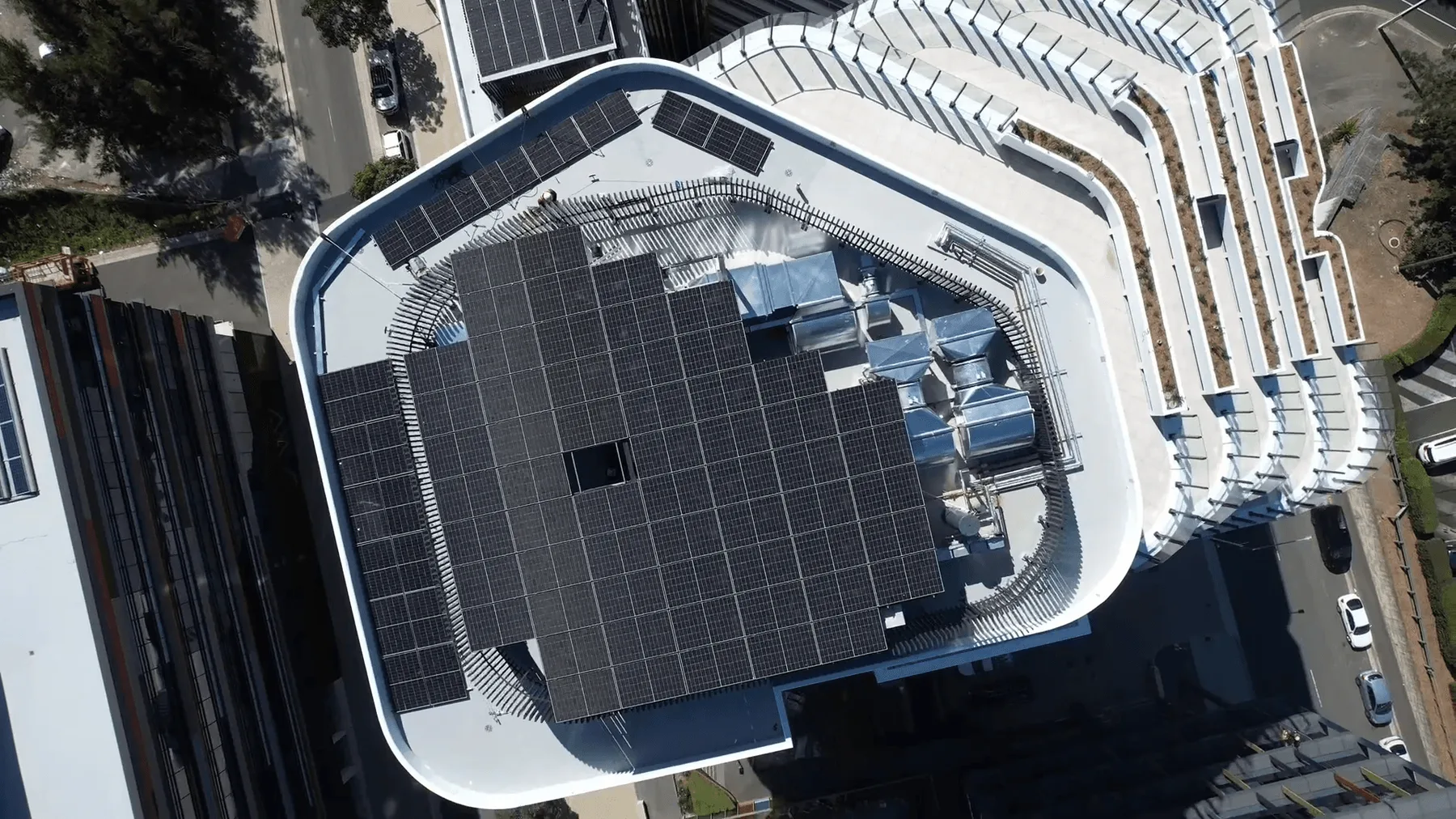
The three NSW battery incentives, and who each one covers
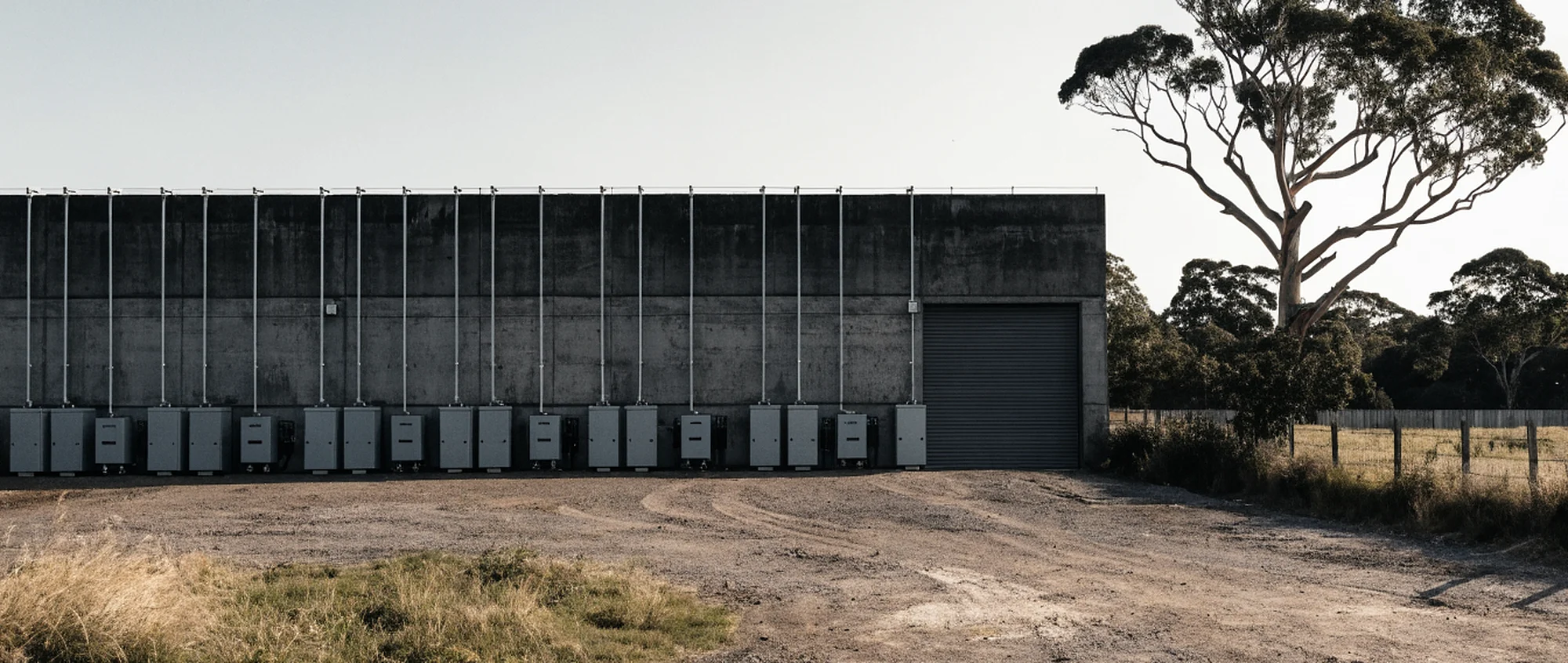
If you have been following the home battery rebate, this is not that scheme. What commences on 1 September 2026, and which sites it applies to.
The dates
NSW confirmed three new battery activities under the Peak Demand Reduction Scheme1 on 18 August 2026. They commence on 1 September 2026.
Nothing about them is time limited the way a promotion is. They are activities inside an ongoing scheme, so there is no closing date to work back from and no reason to rush a decision.
That cuts both ways. There is no guarantee the value stays where it is either, because the value is set by a certificate market rather than by a fixed budget line.
Three activities, not three tiers
The incentives cover three groups of sites. Apartment buildings, meaning residential flat buildings above a dwelling threshold 2. Small and medium business, meaning commercial premises, with exclusions 3. And commercial and industrial, the largest activity, running to a substantial ceiling 4.
These are separate activities with separate eligibility, separate capacity bands and separate conditions. They are not three sizes of the same thing, and a site does not move up between them as it grows.
Which one applies is decided by what the building is and how much usable capacity you are installing, not by what industry you are in. A bakery and a panel beater working from similar premises sit under the same activity. An apartment block and a light manufacturing shed do not.
Why it keys off the building
The Peak Demand Reduction Scheme1 is not a solar scheme and it is not a decarbonisation scheme. It exists to reduce demand on the network at the times the network is under most strain, and it pays for the capability to shift load away from those peaks.
That is the sentence behind every rule that follows. A building's classification is a reasonable proxy for the load shape it presents to the network. What the business does inside it is not.
What these incentives are not
Not the federal battery program. The Cheaper Home Batteries Program is a separate, federal scheme covering households, small businesses and community organisations, delivered as an upfront reduction through small-scale certificates. Some sites can access both 5.
And not a scheme for homes. The residential rebate has taken the coverage for a year. These three activities are aimed at your switchboard, not your roof.
What to do with this
If you have a site that might qualify, the first useful step is settling which activity applies, because the conditions attached to each one are different. One of those conditions disqualifies a common kind of proposal outright.
Citations
-
01
Peak Demand Reduction Scheme NSW Climate and Energy Action · primary The scheme the three battery activities sit under, and what it exists to do. energy.nsw.gov.au
-
02
Batteries for apartment buildings incentive NSW Climate and Energy Action · primary The apartment activity, its building class and its dwelling threshold. energy.nsw.gov.au
-
03
Batteries for businesses incentive NSW Climate and Energy Action · primary The business and industrial activities, their exclusions and conditions, and the indicative values and worked examples quoted. energy.nsw.gov.au
-
04
“We want more batteries”: State rebate to slash costs for businesses and apartments by up to 40 pct RenewEconomy · 18 August 2026 · secondary The confirmation of the three activities, the reported ceiling of 30 MWh and the reported scale of the reduction. reneweconomy.com.au
-
05
Cheaper Home Batteries Program Department of Climate Change, Energy, the Environment and Water · primary, federal The federal program, its solar pairing and virtual power plant conditions, and the reported stacking allowance. dcceew.gov.au
Also consulted
-
NSW commercial battery rebate: how the new PDRS incentives work Solar Choice · secondary The capacity bands, the solar ratio and the maximum battery duration, as reported. These are the figures to confirm against the scheme rule first. No public link confirmed. Cited by title and publisher.
The 2026 incentives · 01 of 09
Next Why a battery-only proposal does not qualify Start at the beginning: Which battery incentive does your site fall under?A site visit and your interval data come before any number does. Request a quote.