 New Ability Energy
Why commercial solar systems stop at 99 kW
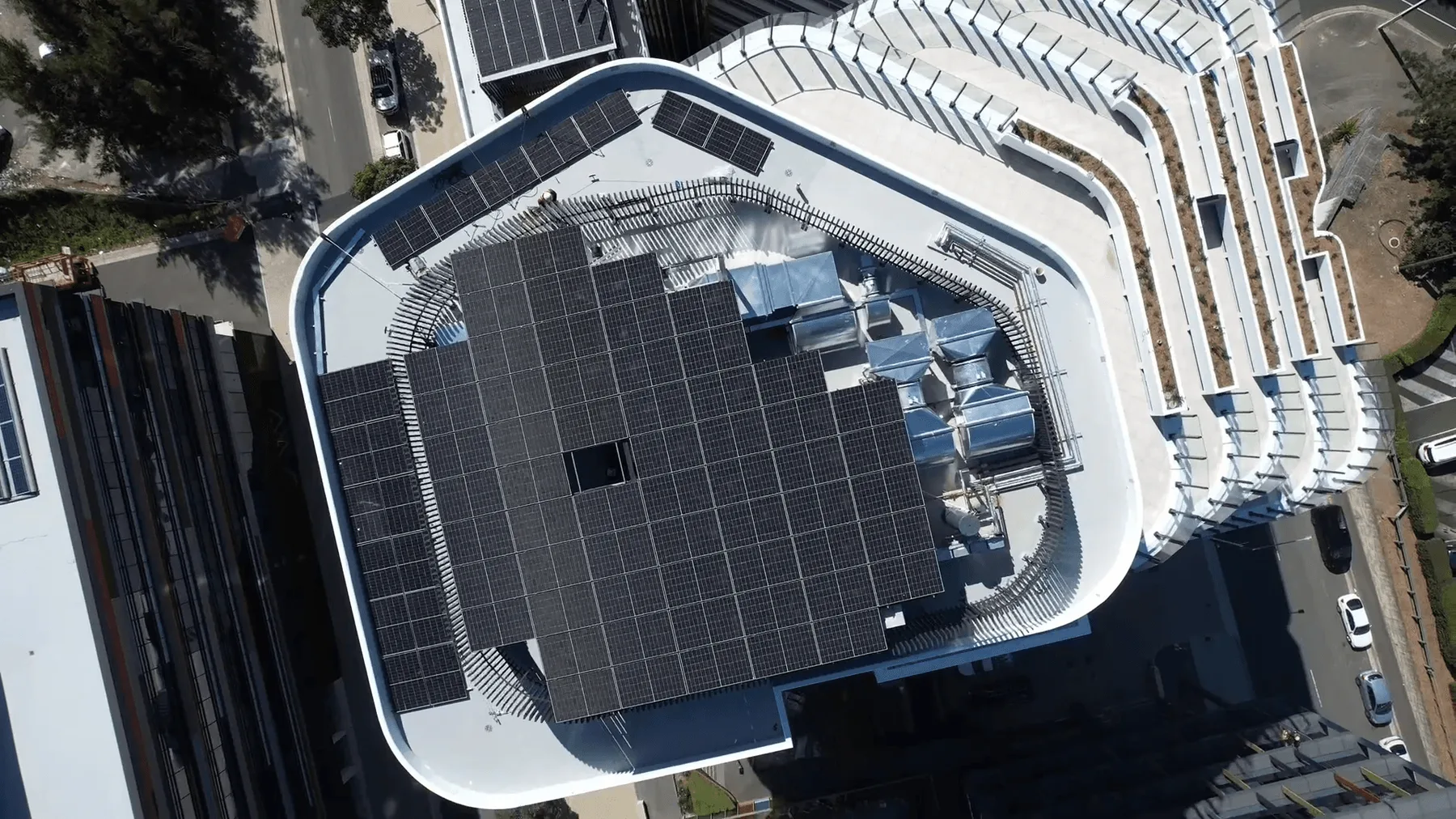
Australia's most common commercial solar size sits just under 100 kW. That is not a coincidence. It is what happens when crossing a line changes which scheme you are in.
What the line actually did
For years, crossing 100 kW changed what kind of project you were running.
Under it, the system created its certificates upfront1. The support was applied at the point of purchase, handled by the installer, and the matter was closed.
Over it, you were in a different scheme entirely. Large-scale accreditation. Metering obligations. Certificates arriving annually, for years, as a revenue line that somebody in the business has to administer rather than a reduction somebody has already applied.
Two systems, 99 kW and 110 kW, sitting on the same roof, would be treated as different classes of asset with different paperwork for their entire operating life.
What the market did about it
The rational thing.
Roofs that could comfortably carry twice the array were fitted with half of what they could hold, because the administration on the other side of the line was worth more than the extra generation.
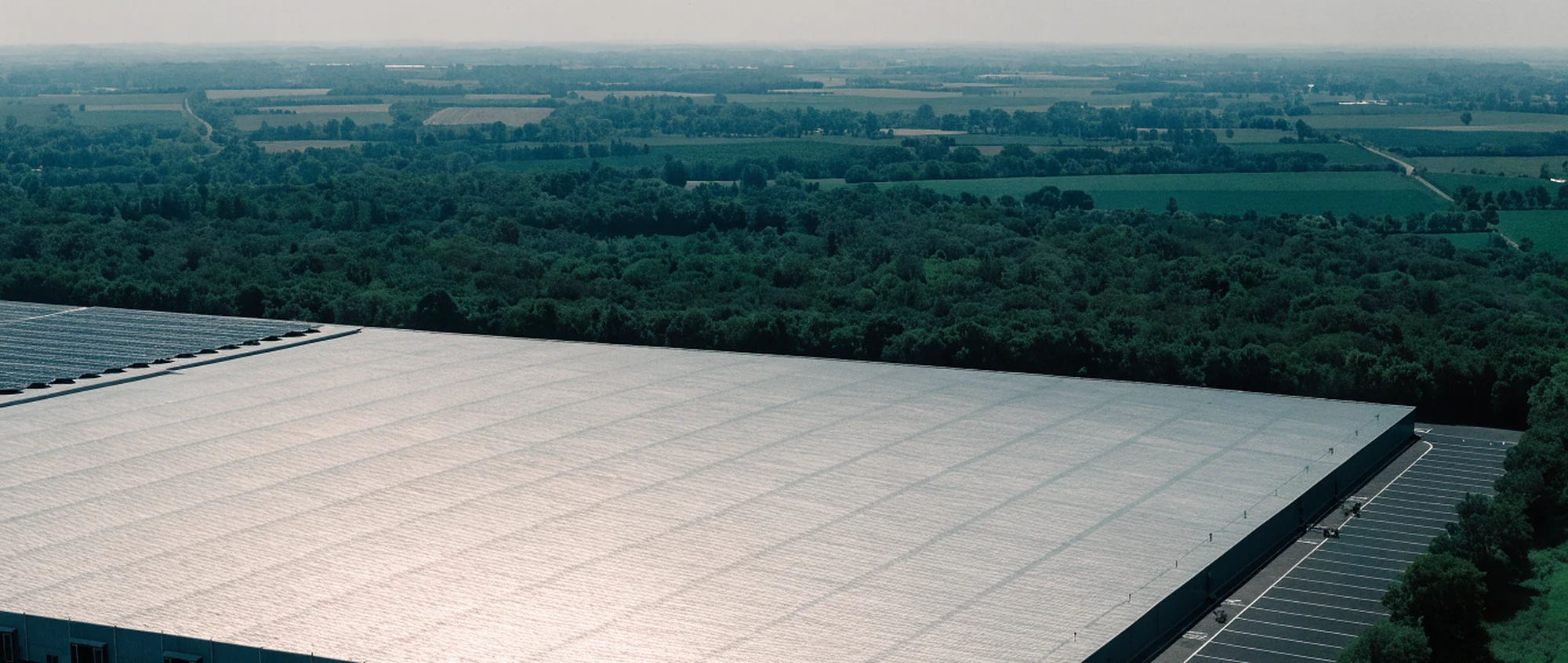
That is not bad engineering. Given the rules, it was good engineering. But it means there is a decade of commercial buildings across Australia carrying deliberately undersized systems, in distribution centres, cold stores, packing sheds, clubs and schools, where the constraint was never the roof.
It is worth being precise about what that decade of under-fitting means now. The buildings are still there, the roofs are unchanged, and in most cases the original design file will say exactly how much array the structure was assessed to carry. The work of re-opening one of those decisions is a review, not a survey from scratch.
What changes
From 1 October 2026, subject to the regulations being made, the small-scale scheme's eligibility ceiling lifts from 100 kW to 1 MW.
Systems in that band will create small-scale certificates rather than large-scale ones. In practice: the support is applied to the invoice, and the accreditation and metering obligations that came with the large-scale route fall away.
Government published worked examples when it announced the change 2.
The question worth asking
If you have a site that was sized to 99 kW, the useful question is not whether to extend it.
It is what that system would have been designed as if the line had never been there, and whether the roof, the switchboard and the connection agreement can carry that instead.
That is a design review, not a quote. It is worth doing before the next capex round rather than after.
Citations
-
01
Small-scale Renewable Energy Scheme Clean Energy Regulator · primary, federal How small-scale technology certificates are created and applied, and what large-scale accreditation requires instead. cleanenergyregulator.gov.au
-
02
Expansion of the small-scale scheme's solar eligibility to 1 MW Australian Government announcement · primary, federal The change to the eligibility ceiling from 1 October 2026, subject to the regulations being made, and the worked examples published with it. No public link confirmed. Cited by title and publisher.
The 2026 incentives · 06 of 09
Next Solar rebates for systems between 100 kW and 1 MW Start at the beginning: Which battery incentive does your site fall under?A site visit and your interval data come before any number does. Request a quote.