 New Ability Energy
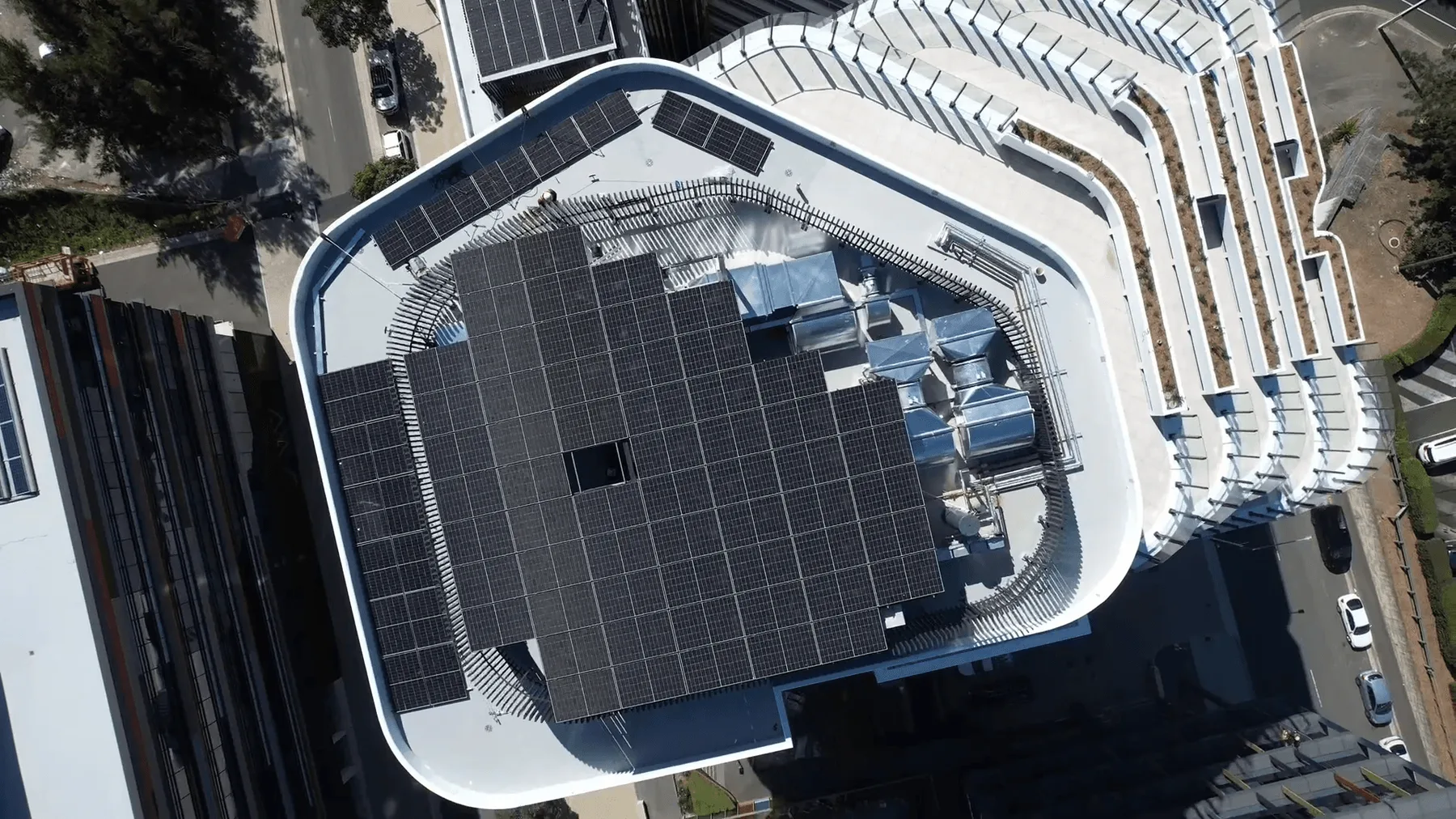
Solar rebates for systems between 100 kW and 1 MW
From 1 October 2026, subject to regulations, systems in this band create small-scale certificates instead of large-scale ones. What changes, and what does not.
The buildings this was written for
Warehouses. Cold stores. Packing sheds. Clubs. Schools. Farms with machinery sheds.
Too large for the scheme built for homes. Too small to be worth the administration of the scheme built for solar farms. A great many of these projects simply did not proceed.
From 1 October 2026, subject to the regulations being in place, that changes.
What changes
Systems in the newly eligible band create small-scale technology certificates1 instead of large-scale generation certificates. In practice that means two things.
The support is applied to the invoice rather than accrued over years. It becomes a reduction in capital cost at the point of purchase, which is a different thing entirely from a revenue stream you have to model, administer and chase.
And the accreditation and metering obligations that came with the large-scale route fall away.
Government published worked examples when it announced the change 2.
What does not change
An existing accredited large-scale system stays where it is. There is no retrospective conversion. If your site is already creating large-scale certificates, nothing on this page applies to it, and the arrangement you have continues as it is. That is worth stating plainly, because it is the misconception most likely to generate phone calls from October onwards.
And the rules are not entirely final. Design, installation and compliance requirements for mid-scale solar have been flagged as still under consideration, with guidance to be published.
That is not a reason to wait. It is a reason to have the design reviewed by someone tracking the regulator's notices rather than the headlines, because a system designed against assumptions that change is a system that gets re-engineered late.
Who this actually helps
The buildings that were deliberately under-fitted. If a site was sized to just under 100 kW at some point in the last decade, the ceiling was almost certainly the reason. Not the roof, not the load, and not the budget.
Those roofs did not get any bigger. The reason for leaving them half empty went away.
If you have a site between the old ceiling and 1 MW, the business case is worth re-running rather than re-deciding. The inputs changed; the site did not. Worth checking at the same time: whether the switchboard and the connection agreement can carry the larger system the roof can now justify.
Citations
-
01
Small-scale Renewable Energy Scheme Clean Energy Regulator · primary, federal How small-scale technology certificates are created and applied, and what large-scale accreditation requires instead. cleanenergyregulator.gov.au
-
02
Expansion of the small-scale scheme's solar eligibility to 1 MW Australian Government announcement · primary, federal The change to the eligibility ceiling from 1 October 2026, subject to the regulations being made, and the worked examples published with it. No public link confirmed. Cited by title and publisher.
The 2026 incentives · 07 of 09
Next Why the switchboard decides your solar programme Start at the beginning: Which battery incentive does your site fall under?A site visit and your interval data come before any number does. Request a quote.