 New Ability Energy
Why the switchboard decides your solar programme
Scope creep on an energy job usually starts at the switchboard, and usually after the solar contractor has left site. What splitting the scope actually costs.
The sequence
Anyone who has run one of these projects will recognise it.
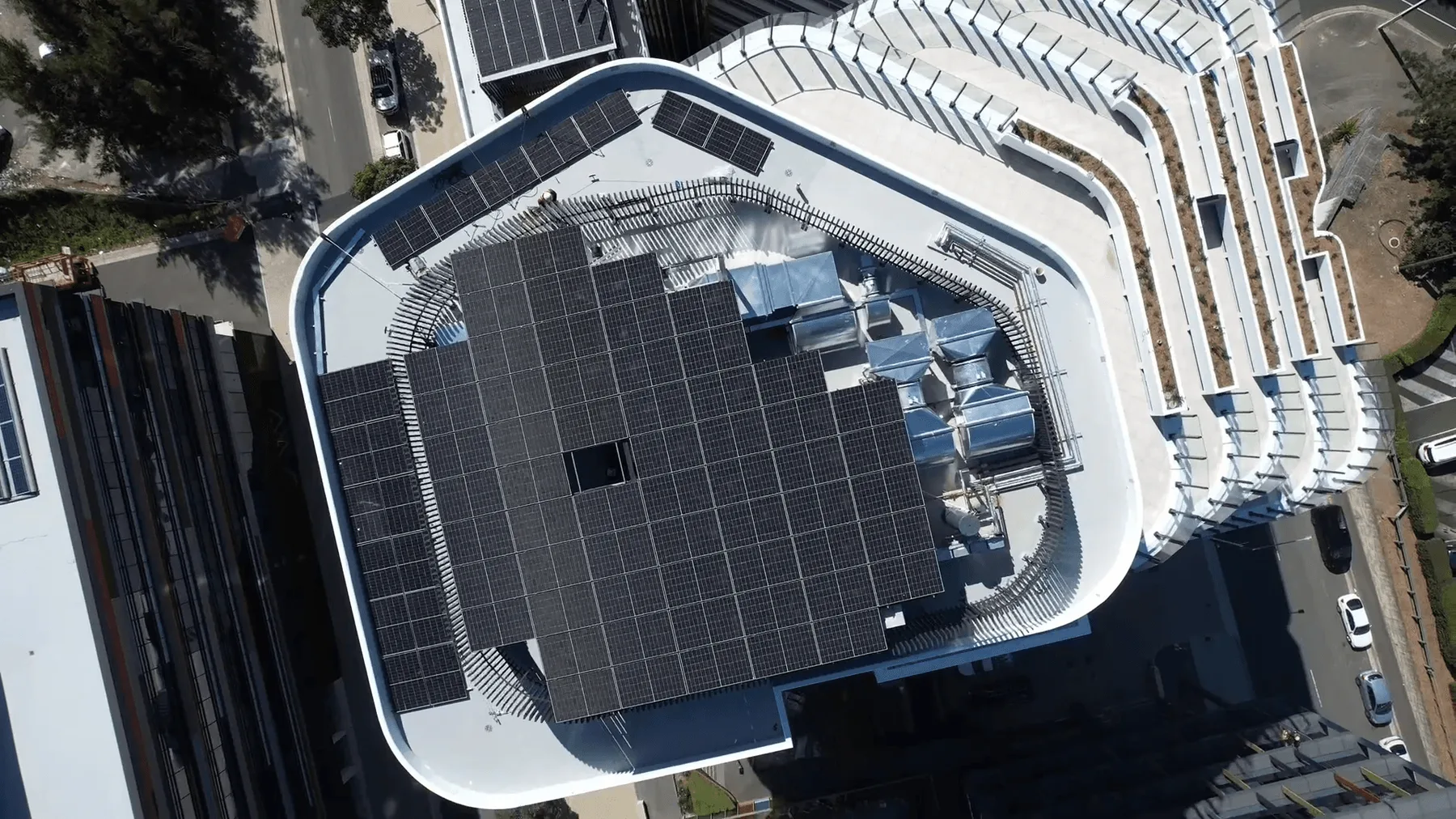
The solar scope is priced and awarded. The array goes up.
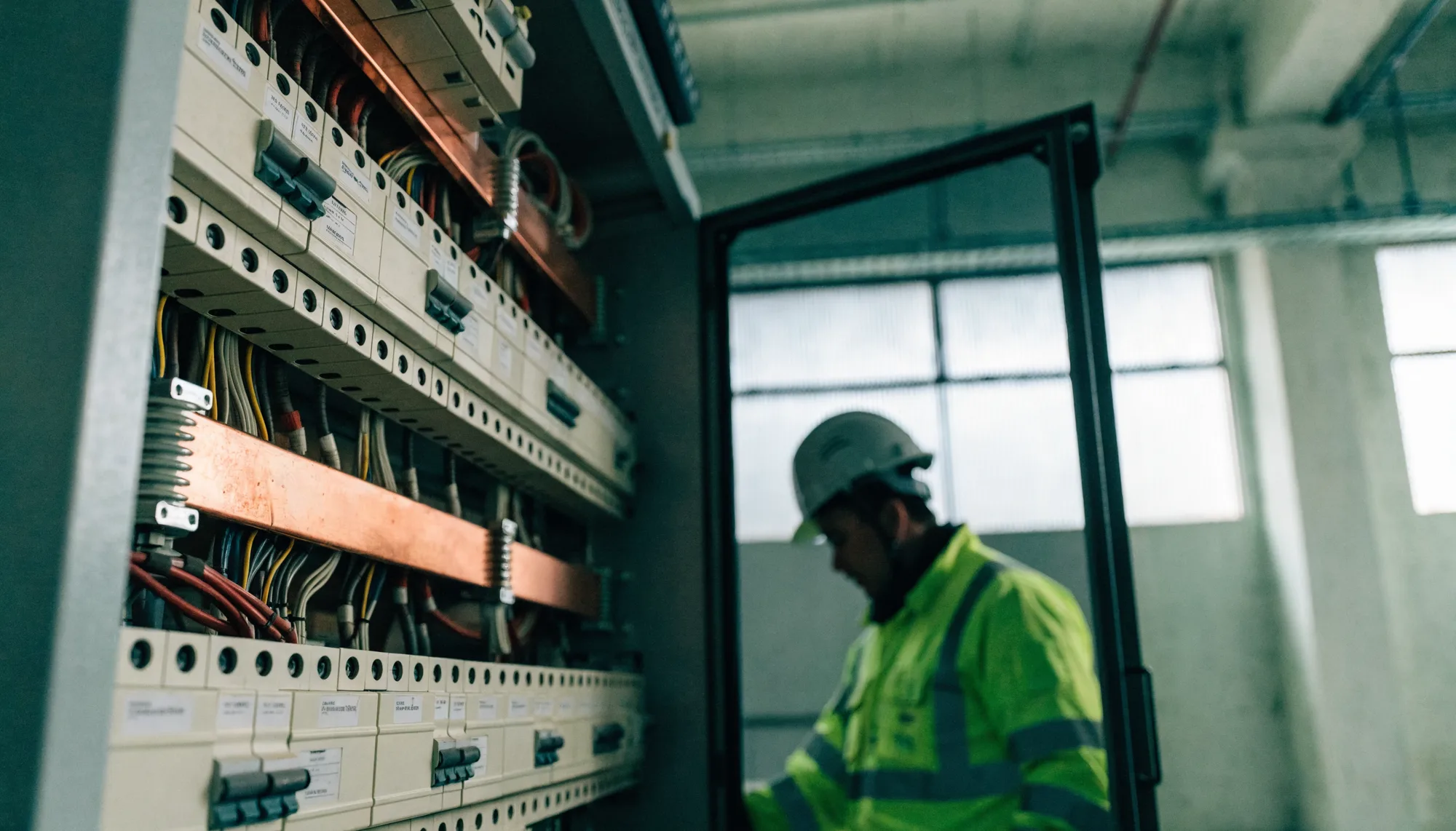
Then the switchboard turns out to need work before the system can be energised: capacity, protection, or an old board that will not take another circuit.
That work was not in the solar scope. It was never going to be, because the solar contractor is not the electrical contractor.
What the gap costs
Now there are two parties, one programme, and a gap between them that belongs to nobody.
The variation goes to the client, because the client is the only party with a contract to both sides. The commissioning date moves, because the second contractor is being engaged after the first has finished. And the array sits on the roof, complete and not generating, while a scope is written for work everyone could see coming.
The cost is rarely the switchboard itself. It is the programme.
There is a longer term version too. When something trips at six in the morning eighteen months later, the question of who to call has two answers and no obvious first one, and the two parties have a reasonable case each that it belongs to the other.
This is structural, not anyone behaving badly
Worth being clear about: none of this requires a contractor to be careless.
It is a consequence of splitting a scope along a line that the physical work does not respect. Solar and electrical are one system on site. Contracted as two, the seam between them becomes the client's problem by default.
The alternative
One contractor holds the design, the electrical work, the commissioning, the documentation and the warranty. Solar, switchboard, LED and EV charging under one contract.
When the switchboard turns out to need work, it is not a variation between two companies. It is the same company, in the same scope, and the programme absorbs it.
New Ability Energy came to renewables from electrical contracting rather than the other way around, which is why the switchboard is not a discovery at the end of our jobs.
If you are scoping an energy project and the electrical works sit with someone else, ask who owns the gap between the two scopes. If the answer is that they would raise a variation, the answer is you.
The 2026 incentives · 08 of 09
Next Sizing solar and storage together Start at the beginning: Which battery incentive does your site fall under?A site visit and your interval data come before any number does. Request a quote.