01
Peak shaving and demand management
The battery discharges through the half hours that set your demand charge, so the peak the network bills you for comes down.
 New Ability Energy
Eight services, one contract
The record
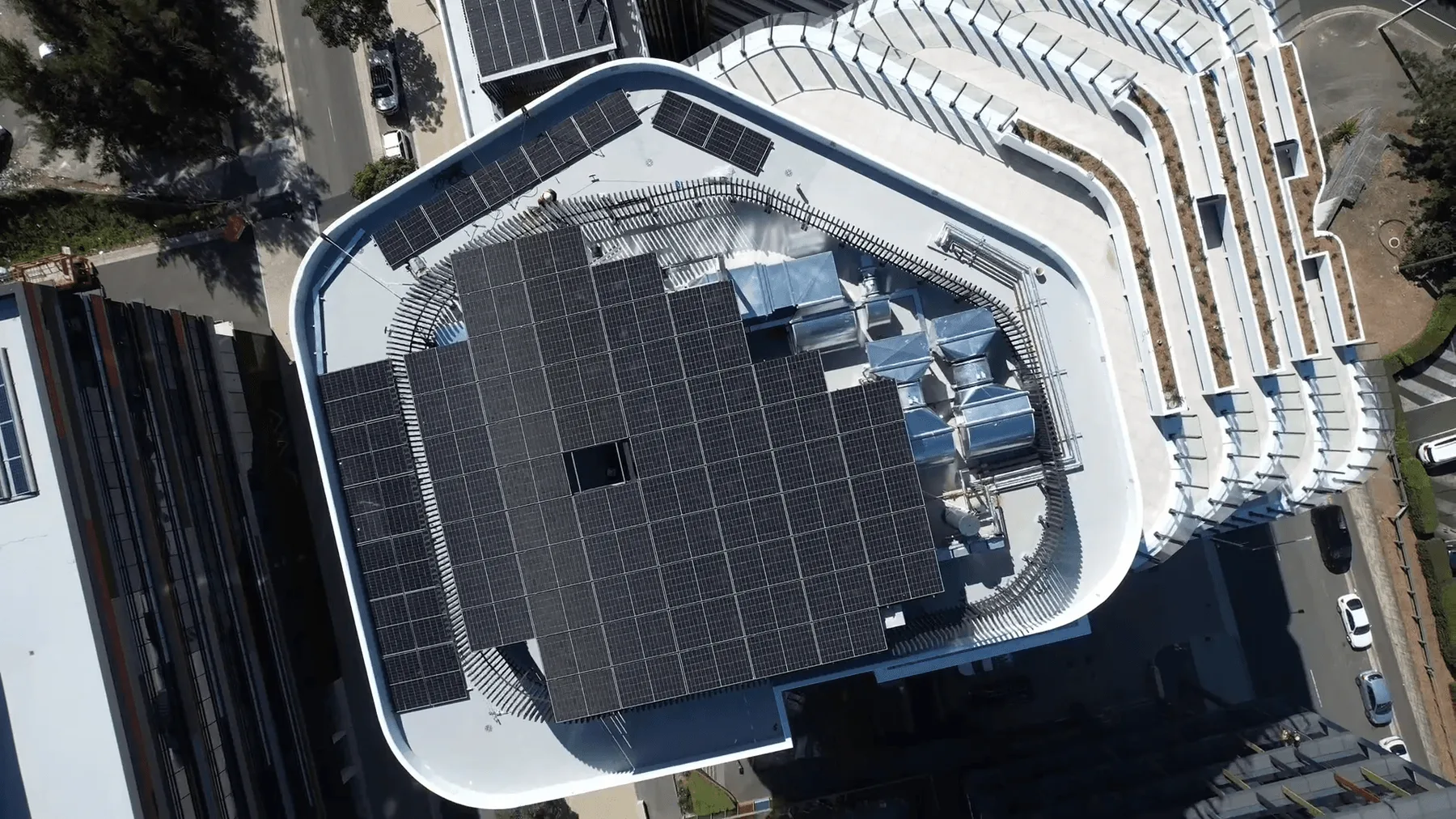
Three recent jobs across NSW, with the generation, saving and payback figures published in full.
See the projectsStorage modelled against your load shape and tariff before a kWh figure goes on paper, and a proposal that says so when it does not yet earn its keep.

Storage sized against your load shape before a kWh figure goes on paper. Where a battery does not earn its keep yet, the proposal says so. Integrated with your solar and switchboard from day one rather than added on later.
The battery discharges through the half hours that set your demand charge, so the peak the network bills you for comes down.
Essential circuits stay on through an outage, and export is held to the limit the network allows.
Capacity comes from when and how hard the site draws power, not from how much solar fits on the roof.
Inverter, battery and switchboard are designed together, so backup circuits are separated at installation instead of retrofitted.
Indicative ranges. The model built from your interval data replaces them at the visit.
Typical range on a commercial site
Indicative ranges for scoping only, not measurements from a specific job.
Your interval data shows the half hours that set the demand charge, and the loads behind them.
Capacity and power are modelled against those peaks and your tariff. If the numbers do not stack up, the proposal says so.
Backup circuits are split out at the switchboard, so the essential loads, and only those, stay on in an outage.
Charge and discharge settings are checked against the first months of data and adjusted to the tariff.
It can, where demand charges or time-of-use rates are high. We model it against your interval data first, and the proposal says plainly if it does not pay yet.
The circuits you choose as essential, wired to a separate backup board. Whole-site backup is possible, but it needs a much larger battery, and the model shows the trade-off.
Usually. The inverter, the switchboard and the export limit decide how, and all three are checked at the site visit before anything is quoted.
An energy charge bills the kilowatt hours a site used. A demand charge bills the single highest interval it reached. They respond to different…
Read TechnicalOne reform cuts the cost of the array. The other pays for the battery that array has to feed. They commence a month apart, and almost nobody is…
Read Rebates & FinanceFrom 1 September 2026 NSW runs three commercial battery incentives. They are not three tiers of one scheme. Three questions decide which one…
ReadSend your interval data and we model a battery against it, including the case where it should wait.
Residential quote Commercial quote 1300 152 966
4.8 out of 5, from 100 Google reviews · 30+ licensed electricians and SAA accredited installers on our own books