 New Ability Energy
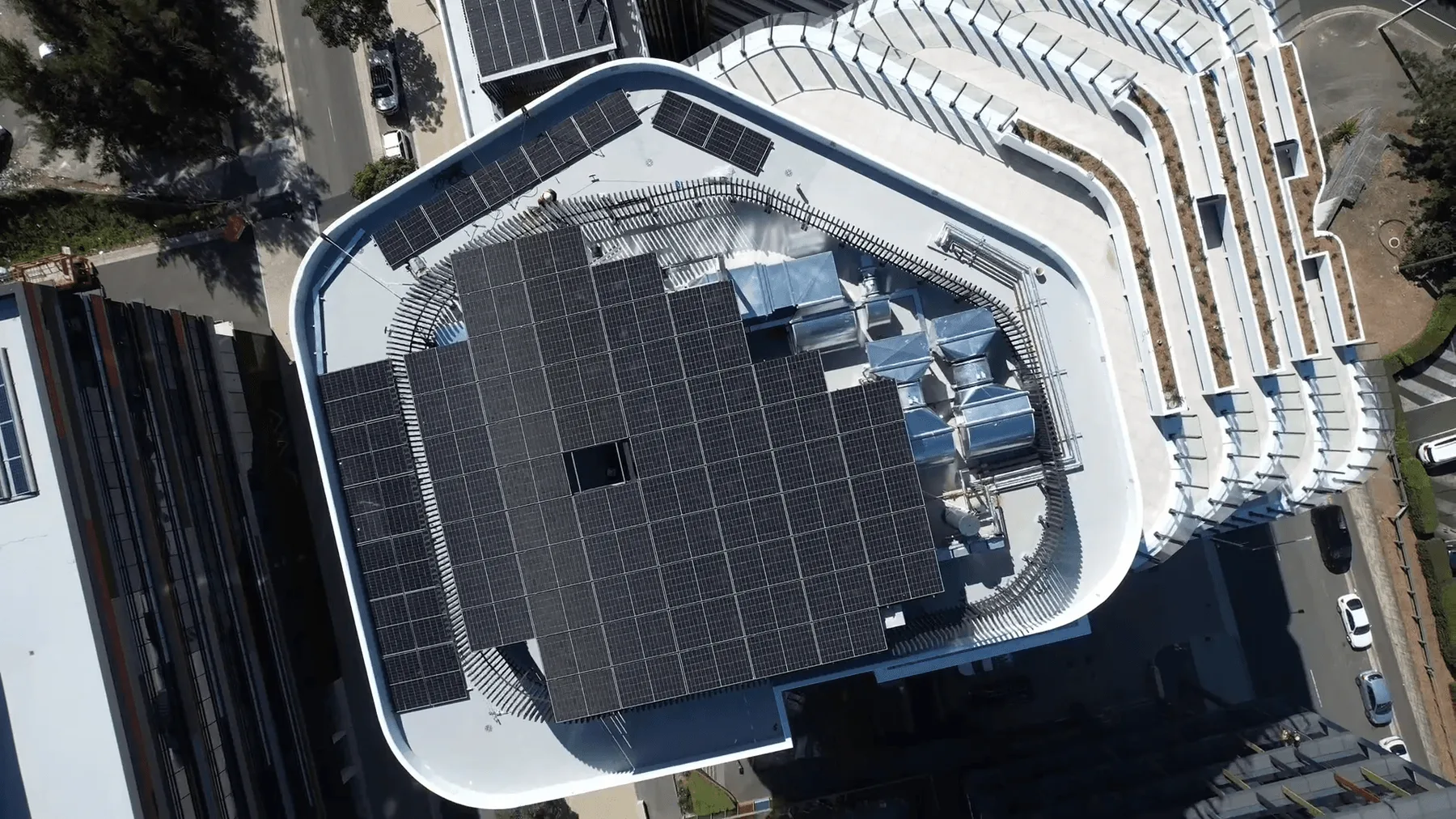
Notes from the sites we are on.
How systems get sized, what the standards actually require, and what the measurements said afterwards.
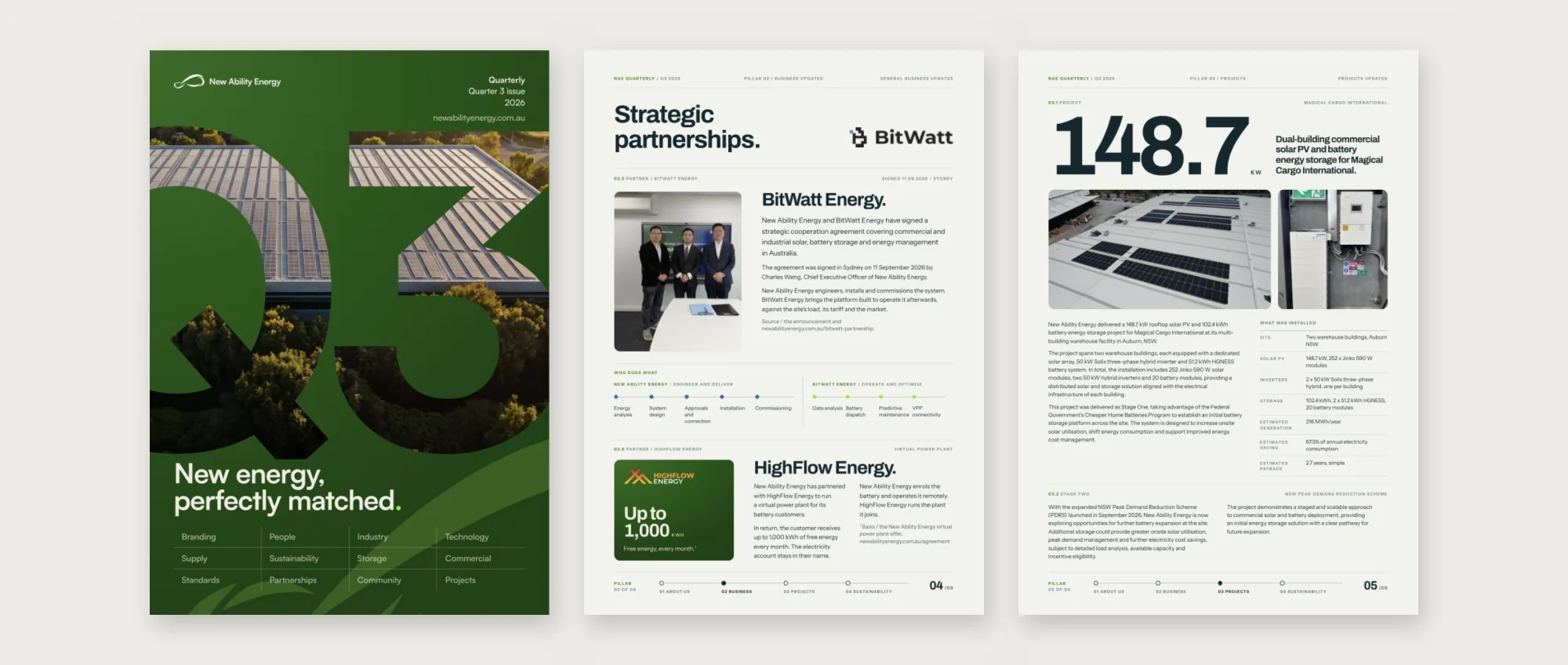
Quarter 3, in four pillars: the New Ability Energy quarterly
Nine pages on the quarter just gone: a new brand, two new partners, two storage projects and the incentives now open to business. Download the full issue.
The 2026 incentives
From 1 September 2026 NSW runs three commercial battery incentives. They are not three tiers of one scheme. Three questions decide which one applies to your site.
- 01The three NSW battery incentives, and who each one covers
- 02Why nobody can quote you an exact figure
- 03Four dates that changed commercial energy in NSW
- 04The battery incentive most strata committees have not been told about
- 05Why commercial solar systems stop at 99 kW
- 06Solar rebates for systems between 100 kW and 1 MW
- 07Why the switchboard decides your solar programme
- 08Sizing solar and storage together
Every note
24 notes
-
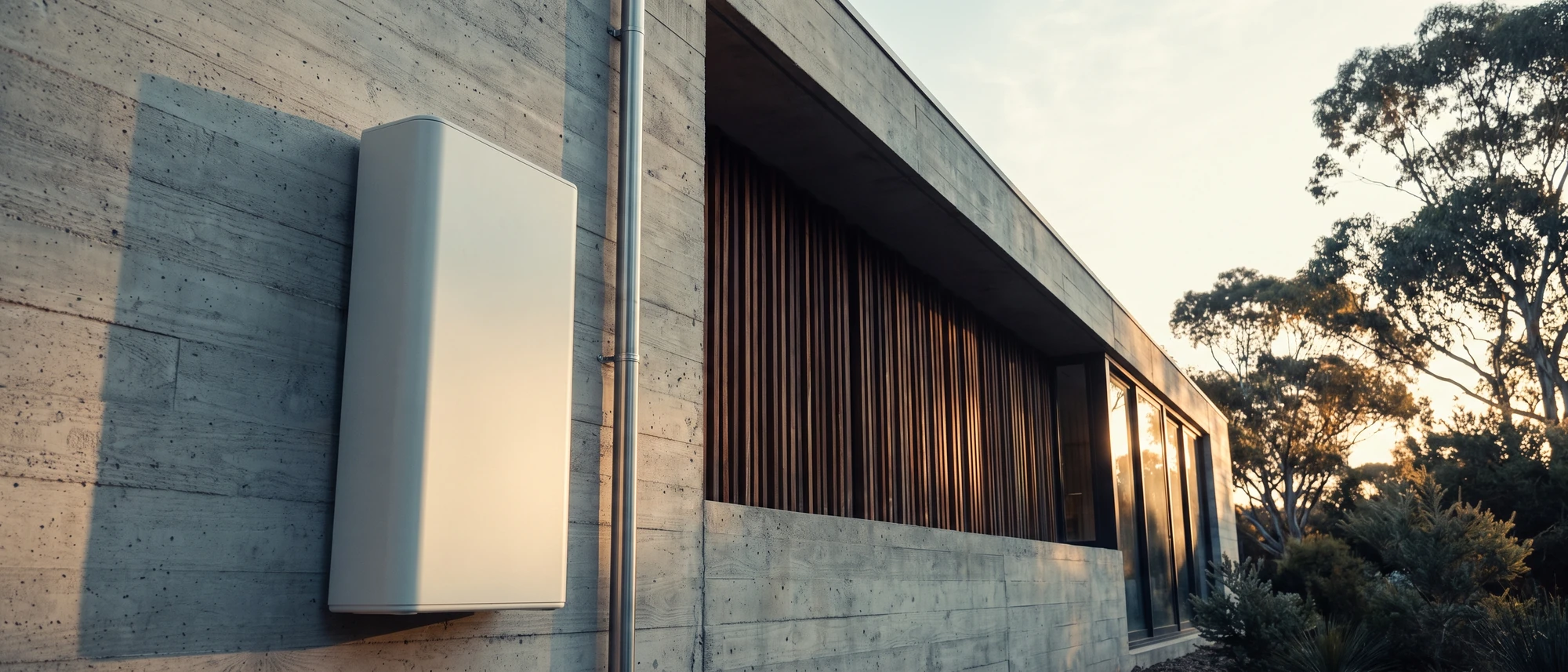
Our VPP program, explained
What you agree to when your battery joins our virtual power plant with HighFlow Energy: the eleven key commercial terms set out in a table, what we are obliged to do in return, and how either side ends it.
5 min read
-

Everything Electric Sydney, and how to leave with a straight answer
Everything Electric Sydney runs from 18 to 20 September at Sydney Olympic Park. Jonas Li from our team is volunteering with Renew in its Energy Advice Zone on Sunday 20 September, and the residents who bring the right paperwork leave with the most useful answers.
6 min read
-
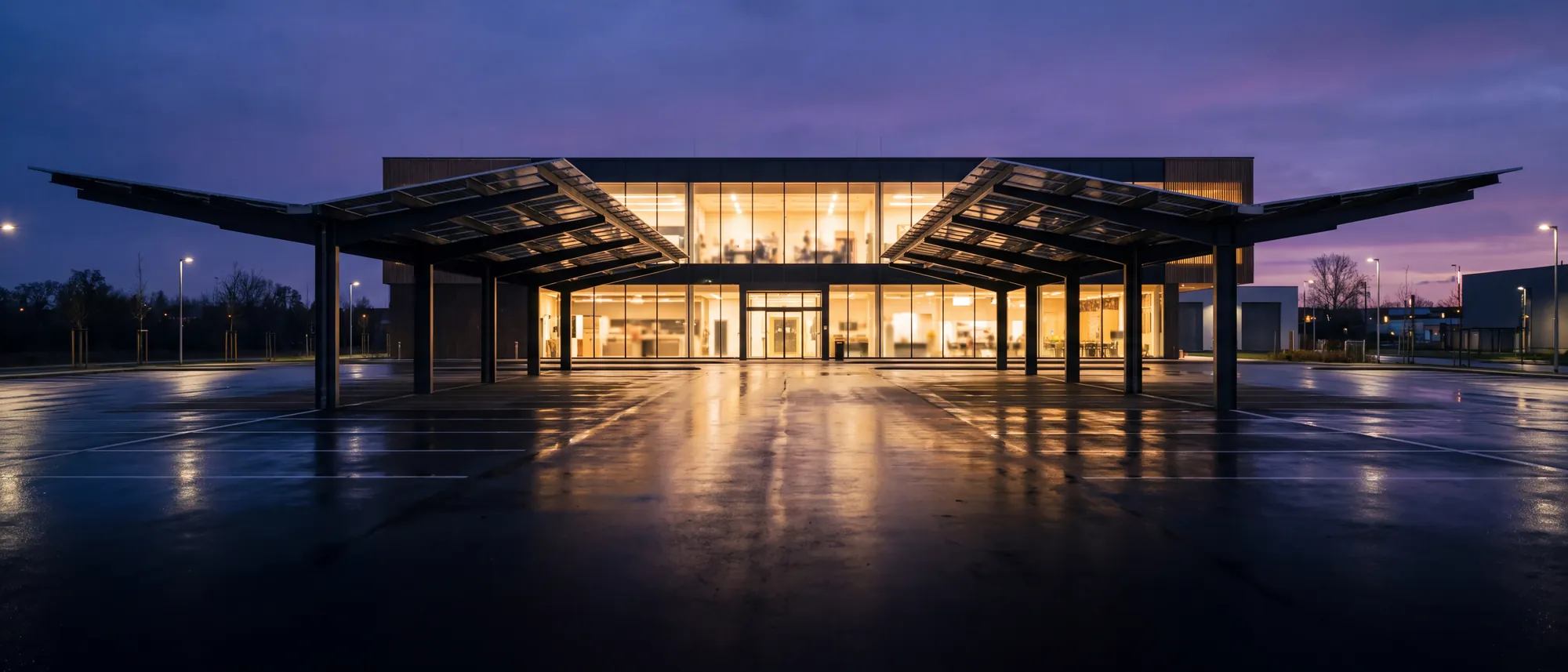
Power quality is the other half of the connection
A connection agreement says what a site may export. Power quality decides what it actually manages to. Voltage, power factor and harmonic content are why a healthy array can produce less than a clear sky allows.
7 min read
-

Demand charges are a different bill
An energy charge bills the kilowatt hours a site used. A demand charge bills the single highest interval it reached. They respond to different work, and an array that lowers one can leave the other exactly where it was.
8 min read
-

New Ability Energy and BitWatt Energy sign strategic cooperation agreement
A strategic cooperation agreement signed on 11 September 2026, pairing New Ability Energy's engineering and project delivery with BitWatt Energy's intelligent energy management for commercial and industrial sites across Australia.
5 min read
-
Write the paper the board can approve
A vendor proposal argues for a system. A capital paper has to let people who were not in the meetings make a decision. The difference is a named constraint, a stated set of assumptions, a sensitivity and a measurement plan.
7 min read
-
Plan for access, not for downtime
A commercial solar installation rarely costs a business a day of trading. What it costs is access: roof, yard, switchroom and a booked outage measured in hours. Scope those four and the disruption stops being a surprise.
8 min read
-
Compare the assumptions, not the price
Two commercial solar proposals can quote nearly identical hardware and differ by years on payback. The difference is almost always in assumptions that were never printed. Normalise those and the comparison becomes real.
7 min read
-
Seven checks before you sign
The panels on two competing proposals are usually similar. What differs is who is accredited, who holds the contract, who honours each warranty and who is standing on the roof. All seven are checkable before anyone signs anything.
9 min read
-
Cut the load before you generate it
Load removed from a site needs no roof, no connection and no inverter. It works at night, it cannot be curtailed, and it makes every system that follows smaller. That is why it comes first.
8 min read
-

Plan the removal when you plan the array
A commercial array will be taken down at least once, usually before it stops working. What that costs is decided at design, by the fixings, the access and the contract, and almost never by the panels themselves.
9 min read
-
Climate reporting starts at the meter
Australia's mandatory climate disclosure regime reaches mid-sized businesses for financial years beginning on or after 1 July 2027. The work that takes longest is not the report. It is having a defensible record of what each site consumed.
8 min read
-
Self-consumption moves scope 2, export does not
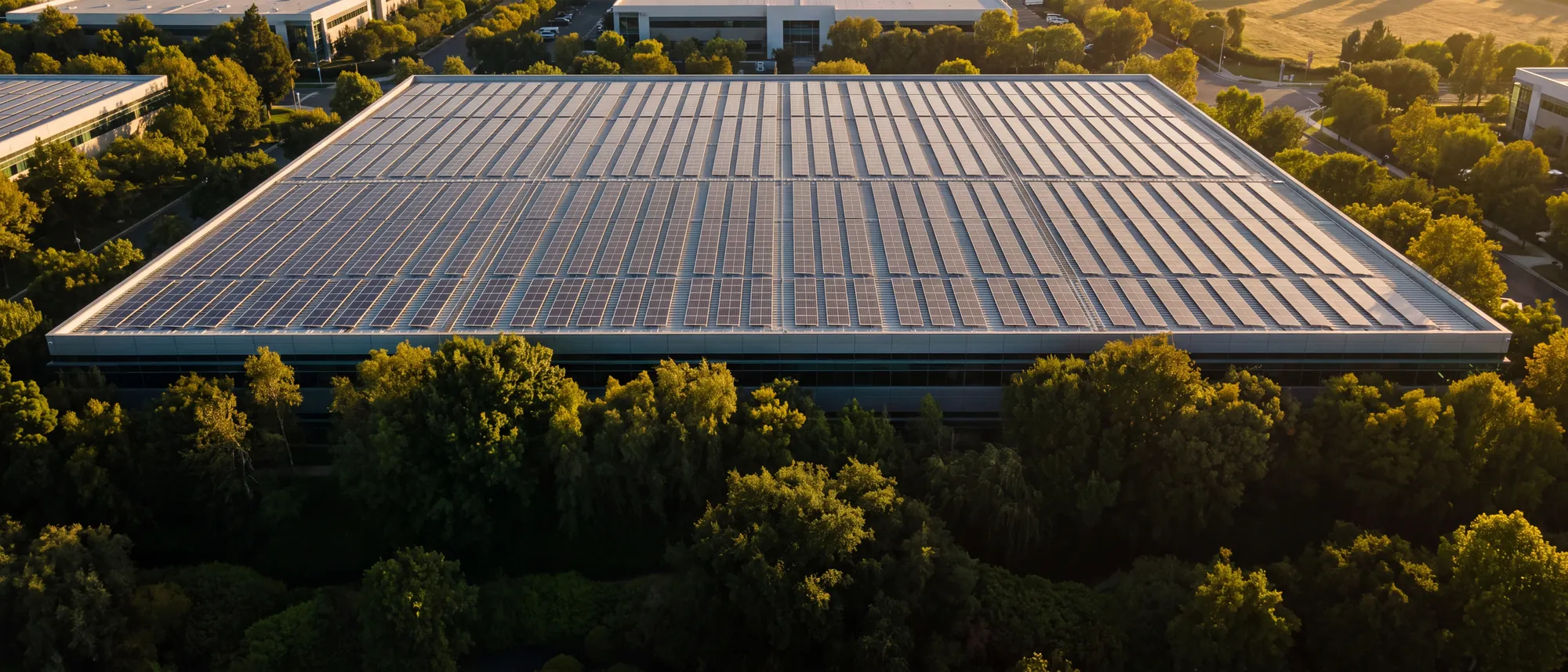
Scope 2 counts the electricity a site buys. Generation used on site cuts that number directly. Generation sent back out never entered it, and the certificates created at installation decide whether the electricity can also be called renewable.
10 min read
-
Size it from the load, not the roof
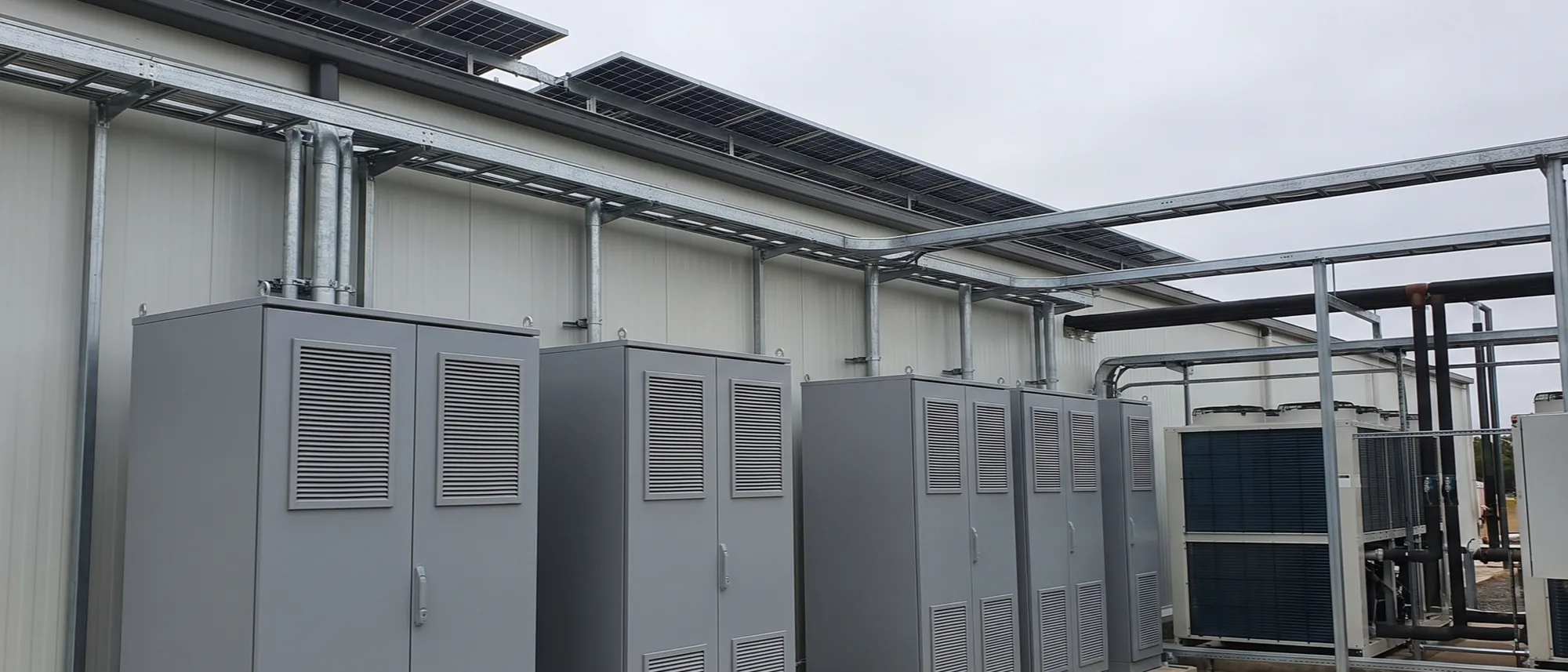
Roof area tells you how many panels fit. The building's own consumption tells you which of them will ever pay for themselves, and whether the battery on the quote should be there at all.
7 min read
-
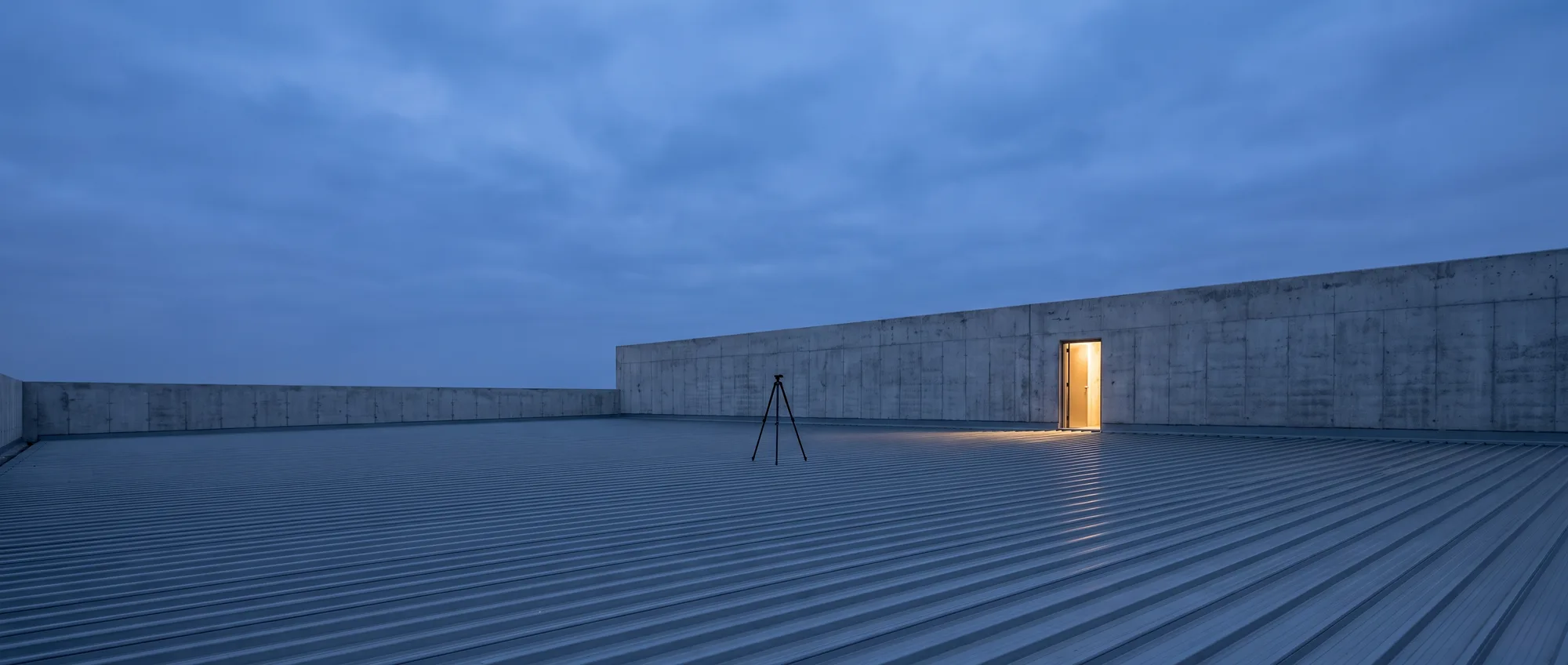
Four numbers decide the array
Usable roof area, load shape, switchboard headroom and the connection position set the system size between them. The roof is one of the four, and it is rarely the one that decides.
8 min read
-
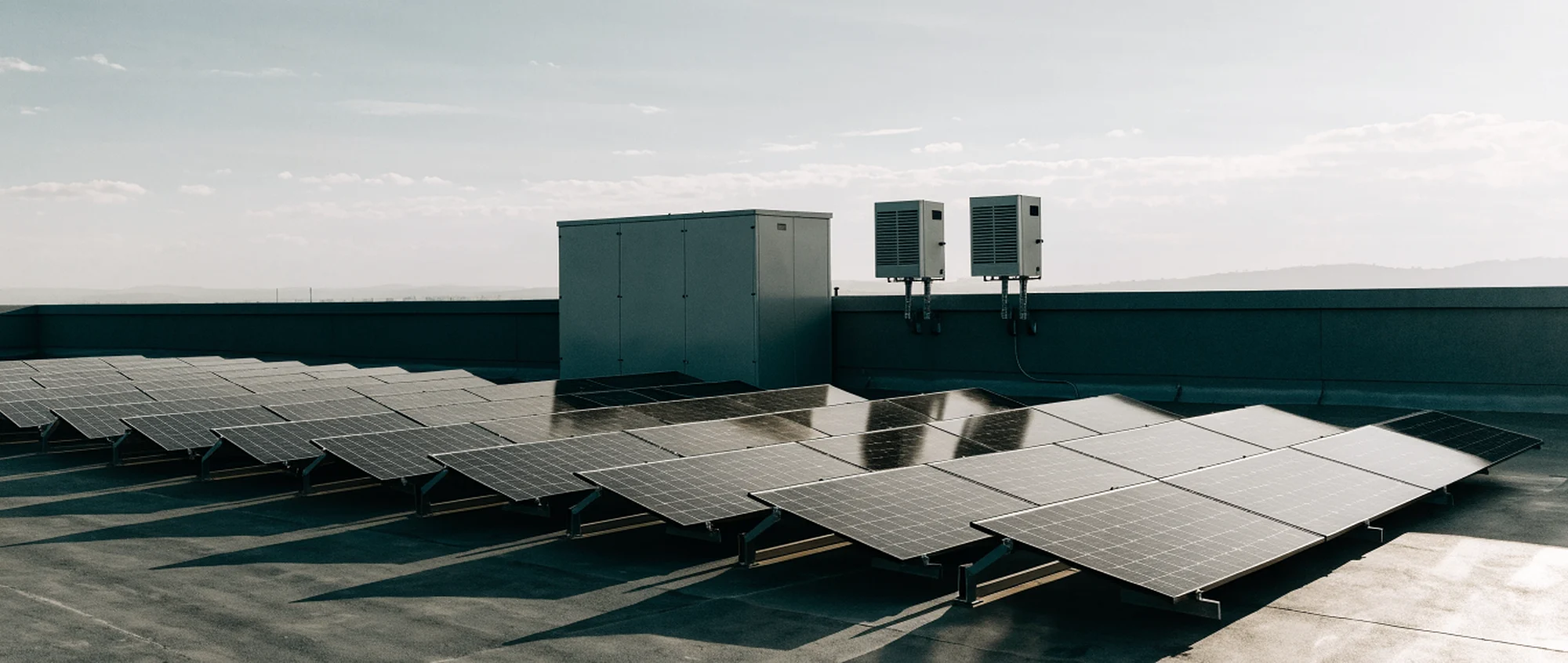
Sizing solar and storage together
One reform cuts the cost of the array. The other pays for the battery that array has to feed. They commence a month apart, and almost nobody is reading them together.
The 2026 incentives, part 83 min read
-
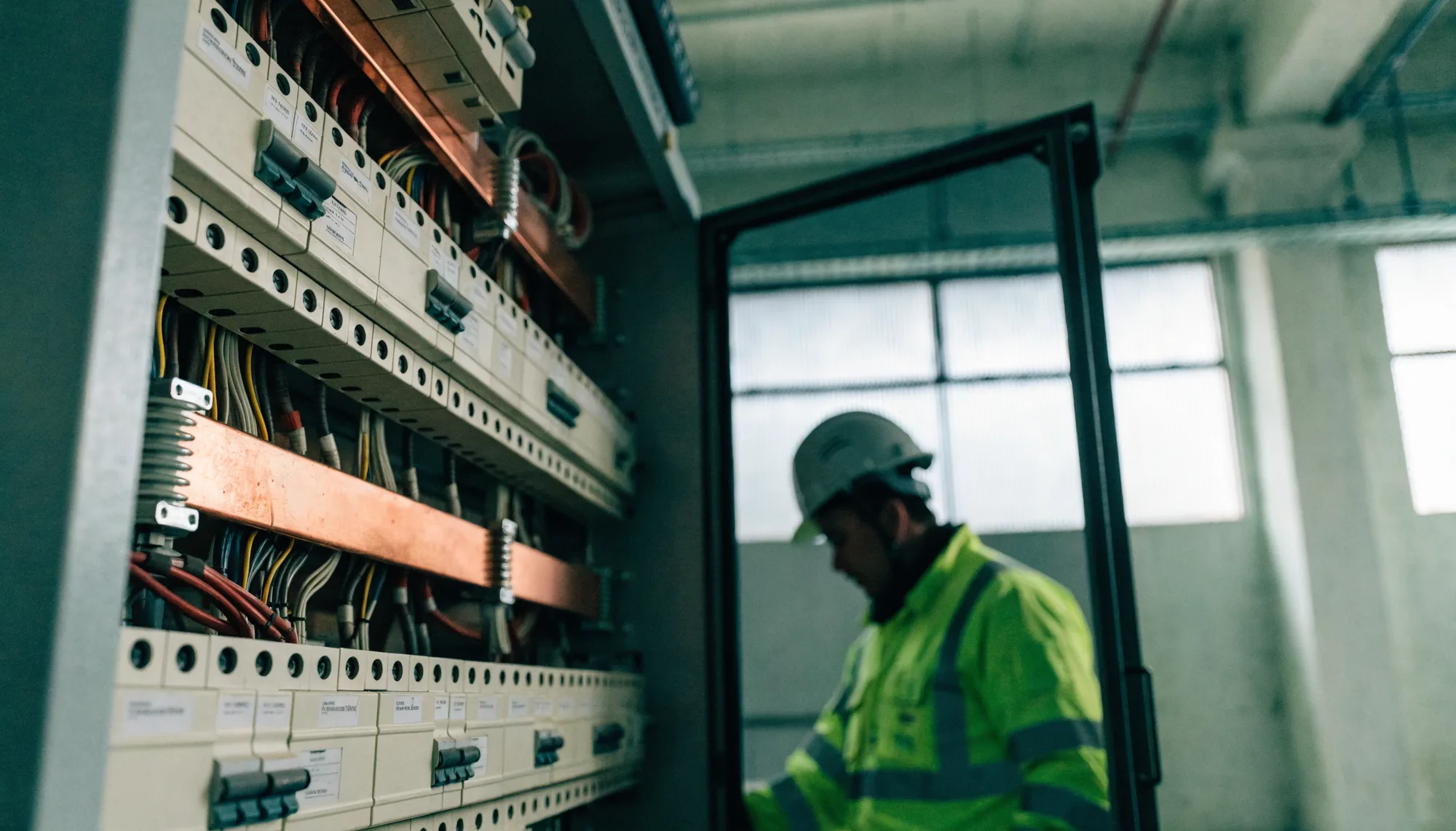
Why the switchboard decides your solar programme
Scope creep on an energy job usually starts at the switchboard, and usually after the solar contractor has left site. What splitting the scope actually costs.
The 2026 incentives, part 73 min read
-

Solar rebates for systems between 100 kW and 1 MW
From 1 October 2026, subject to the regulations being made, systems between 100 kW and 1 MW create small-scale certificates instead of large-scale ones. What changes, what does not, and what to do before October.
The 2026 incentives, part 66 min read
-
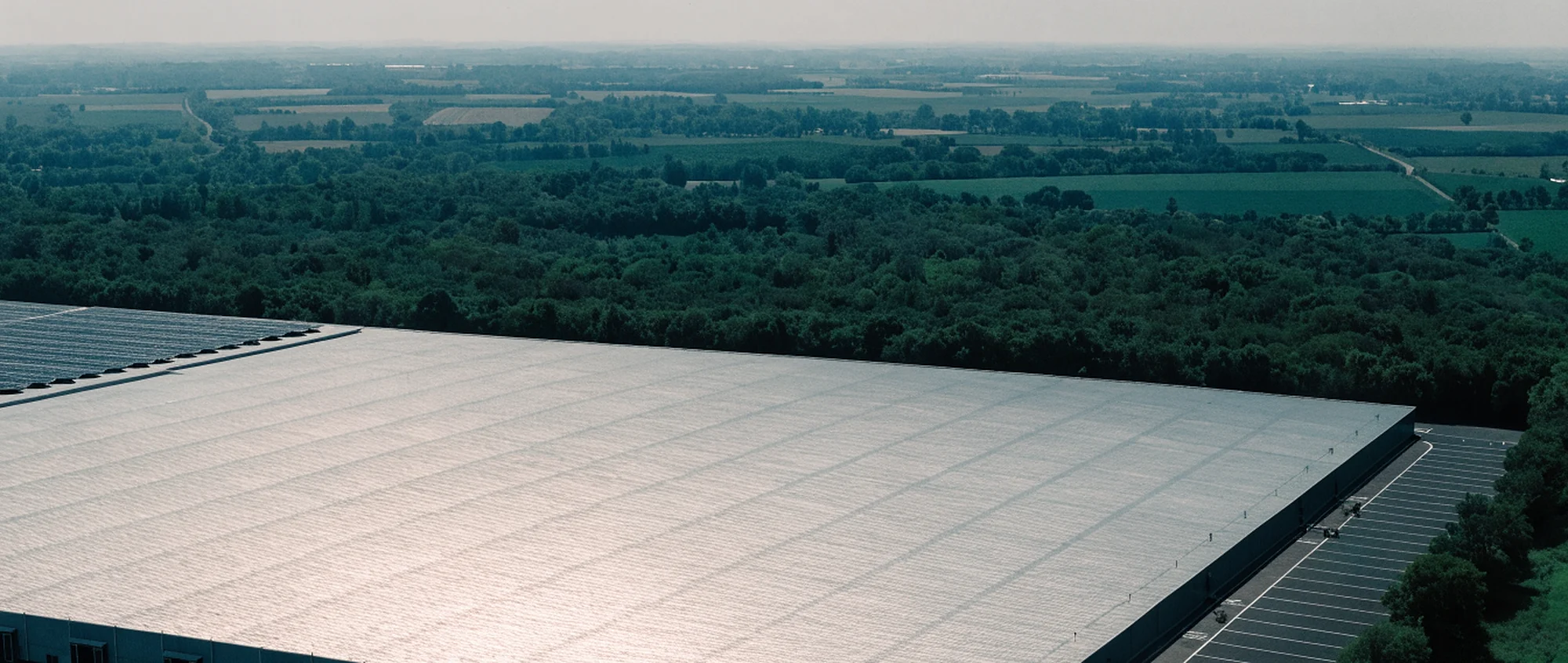
Why commercial solar systems stop at 99 kW
Australia's most common commercial solar size sits just under 100 kW. That is not a coincidence. It is what happens when crossing a line changes which scheme you are in.
The 2026 incentives, part 53 min read
-
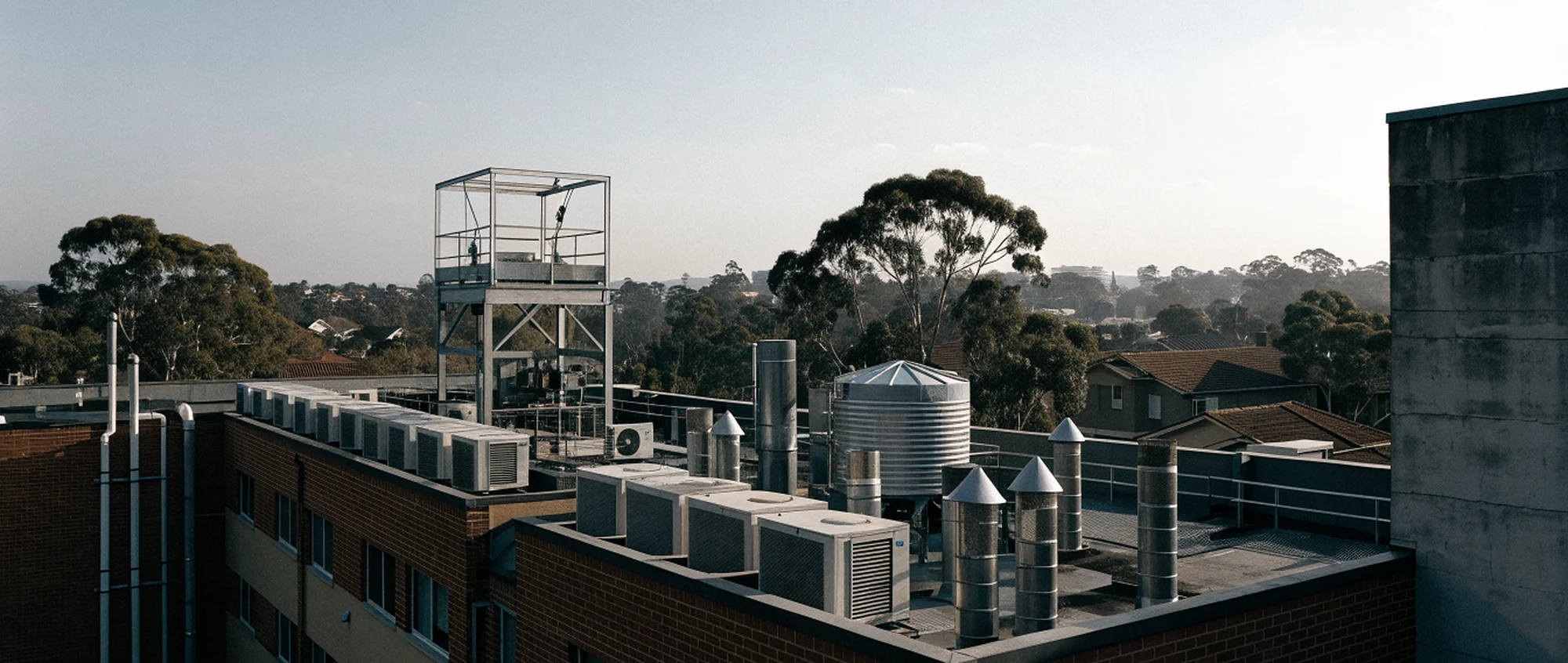
The battery incentive most strata committees have not been told about
Strata committees have been told for years that solar is the first step. For one of the three NSW battery activities it is not a step at all, and existing solar is not required.
The 2026 incentives, part 46 min read
-
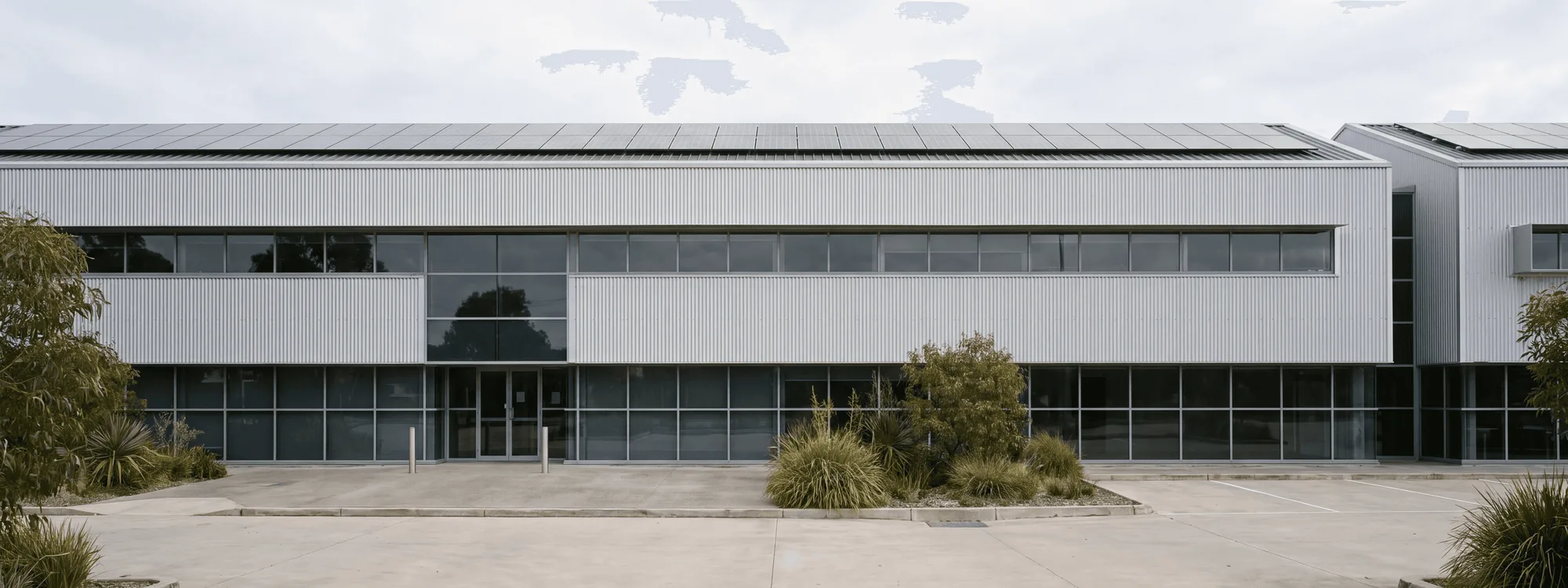
Four dates that changed commercial energy in NSW
November 2025, August 2026, 1 September, 1 October. Four announcements, reported separately, pointing the same way.
The 2026 incentives, part 33 min read
-
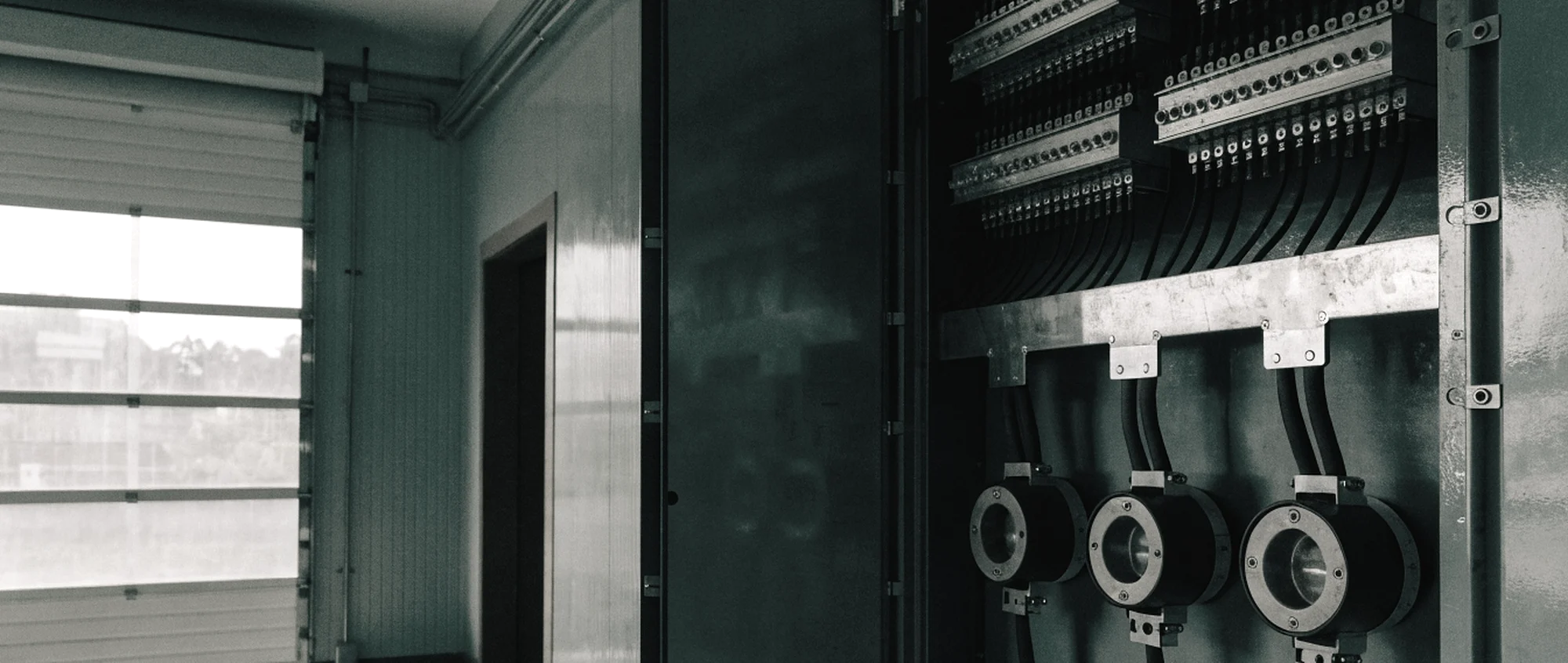
Why nobody can quote you an exact figure
The NSW commercial battery incentive is delivered through certificates, and certificates carry a market price. An exact dollar figure in a proposal is a claim, not a forecast.
The 2026 incentives, part 23 min read
-
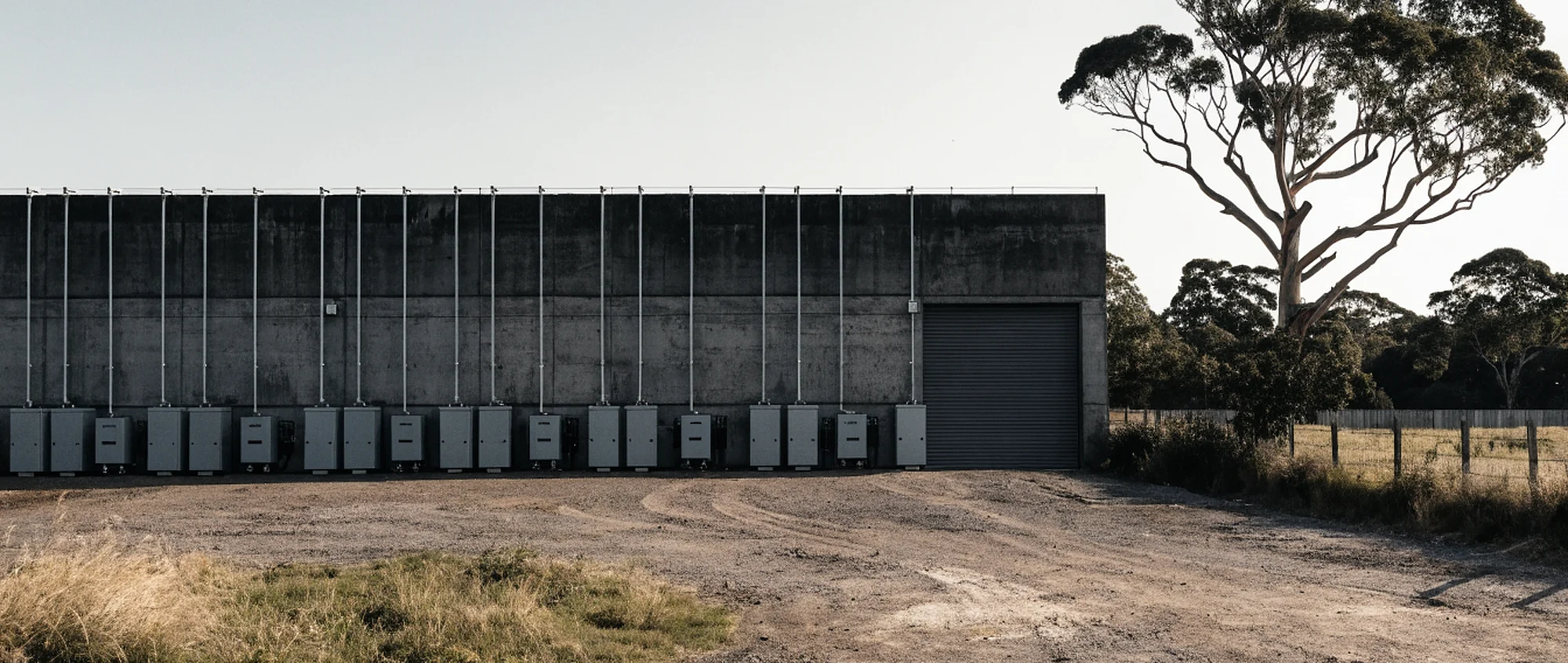
The three NSW battery incentives, and who each one covers
If you have been following the home battery rebate, this is not that scheme. What commences on 1 September 2026, and which sites it applies to.
The 2026 incentives, part 13 min read
-
Which battery incentive does your site fall under?
From 1 September 2026 NSW runs three commercial battery incentives. They are not three tiers of one scheme. Three questions decide which one applies to your site.
The 2026 incentives9 min read
Nothing matches that.